
A commercial rooftop owner in Nashik noticed his 250 kW system generating 14% below its expected output for three straight weeks. He called his installer, who suggested cleaning the panels. The cleaning made no difference. Two months later, a technician finally traced the problem to a manufacturing defect in a batch of modules, but by then the manufacturer’s field team wanted proof going back to the day the drop started. The owner had none. That gap between “something is wrong” and “here is documented proof it’s a covered defect” is exactly where most solar panel warranty claims in India fall apart.
Filing a warranty claim sounds simple on paper: contact the manufacturer, describe the issue, get it fixed. In practice, the solar panel warranty claim process in India involves specific documentation, performance data logs, site inspection reports, and a manufacturer review cycle that can stretch for weeks. Asset owners who go in unprepared often see their claims delayed, downgraded, or rejected outright. This guide walks through every stage of the process, from confirming a valid warranty trigger to closing the claim, and explains where a dedicated O&M partner changes the outcome entirely.
Why Solar Warranty Claims in India Rarely Go Smoothly
Solar modules in India typically carry two separate warranties: a product warranty covering manufacturing and material defects (usually 10 to 12 years), and a performance warranty guaranteeing a minimum power output over 25 years, often structured as a declining curve (for example, 90% output at year 10 and 80% at year 25). Inverters, mounting structures, and cables usually carry their own separate, shorter warranty terms from different manufacturers entirely.
The complexity starts here. A claim against the performance warranty needs sustained generation data proving underperformance isn’t caused by dust, shading, or a downstream inverter fault. A claim against the product warranty needs physical evidence of a defect, like delamination, glass cracking, hot spots, or junction box failure, tied to a specific serial number. Manufacturers will not take a phone call and a photo as sufficient. They want a documented trail, and building that trail after the fact is far harder than building it as the problem develops.
This is also where India’s operating conditions add friction. High ambient temperatures accelerate certain degradation modes, heavy dust loading in states like Rajasthan and Gujarat can mask early defect symptoms, and monsoon humidity in coastal regions contributes to connector corrosion that gets mistaken for manufacturing faults. The Ministry of New and Renewable Energy’s guidelines under the Rooftop Solar Programme reference quality standards that OEMs are expected to meet, which is useful context when a manufacturer tries to argue a defect falls outside covered terms. Asset owners need a process that separates genuine warranty issues from routine maintenance problems, and that process starts long before any claim form gets filled out.
1. Confirm You Actually Have a Valid Warranty Trigger
Before drafting anything, verify the issue is actually covered. Not every performance dip or panel blemish qualifies. Common valid triggers include:
- Delamination — visible separation between the glass and the encapsulant layer, usually appearing as cloudy patches or bubbles
- Hot spots — localized heating on a cell, detectable through thermal imaging, that indicates a cell-level defect
- Glass cracking or browning not caused by physical impact
- Junction box failure or backsheet cracking under normal operating conditions
- Power output below the guaranteed performance curve, verified against irradiance-adjusted generation data
What typically gets excluded: damage from a third-party installation error, physical damage from storms or falling debris, rodent or bird damage, unauthorized modifications, and normal soiling-related output loss that hasn’t been addressed through regular cleaning. Manufacturers also routinely deny claims where the system was never registered under an AMC or where maintenance records show neglect, so keep every service record on file even if you switch providers.
Check the original warranty certificate for the exact validity window and any conditions tied to it, such as mandatory annual inspections or use of approved cleaning methods. If the defect falls outside the stated terms, or the system is out of warranty, you’re better off addressing it as a standard repair rather than pursuing a claim that will likely be rejected. Our guide on AMC versus O&M contracts in India breaks down what each agreement typically covers, which is worth reviewing before you assume an issue falls under warranty rather than your maintenance contract.
2. Build a Performance Data Log Before You File
Manufacturers reviewing a performance-based claim almost always request generation data covering several weeks, sometimes months, before the claim date. A single day’s low output tells them nothing; a sustained trend against expected generation, adjusted for irradiance and temperature, tells them everything. Without this, the OEM has no basis to distinguish a genuine module defect from a dirty panel, a shaded string, or an inverter clipping issue.
This is where a proper monitoring setup earns its cost back many times over. String-level data lets you isolate exactly which panels or strings are underperforming rather than reporting a vague plant-wide dip. If you’re unsure what a good monitoring setup should be showing you, our post on what your solar dashboard should show you daily explains the specific metrics worth tracking, and how to choose a solar monitoring system covers what to look for if you’re evaluating a new platform.
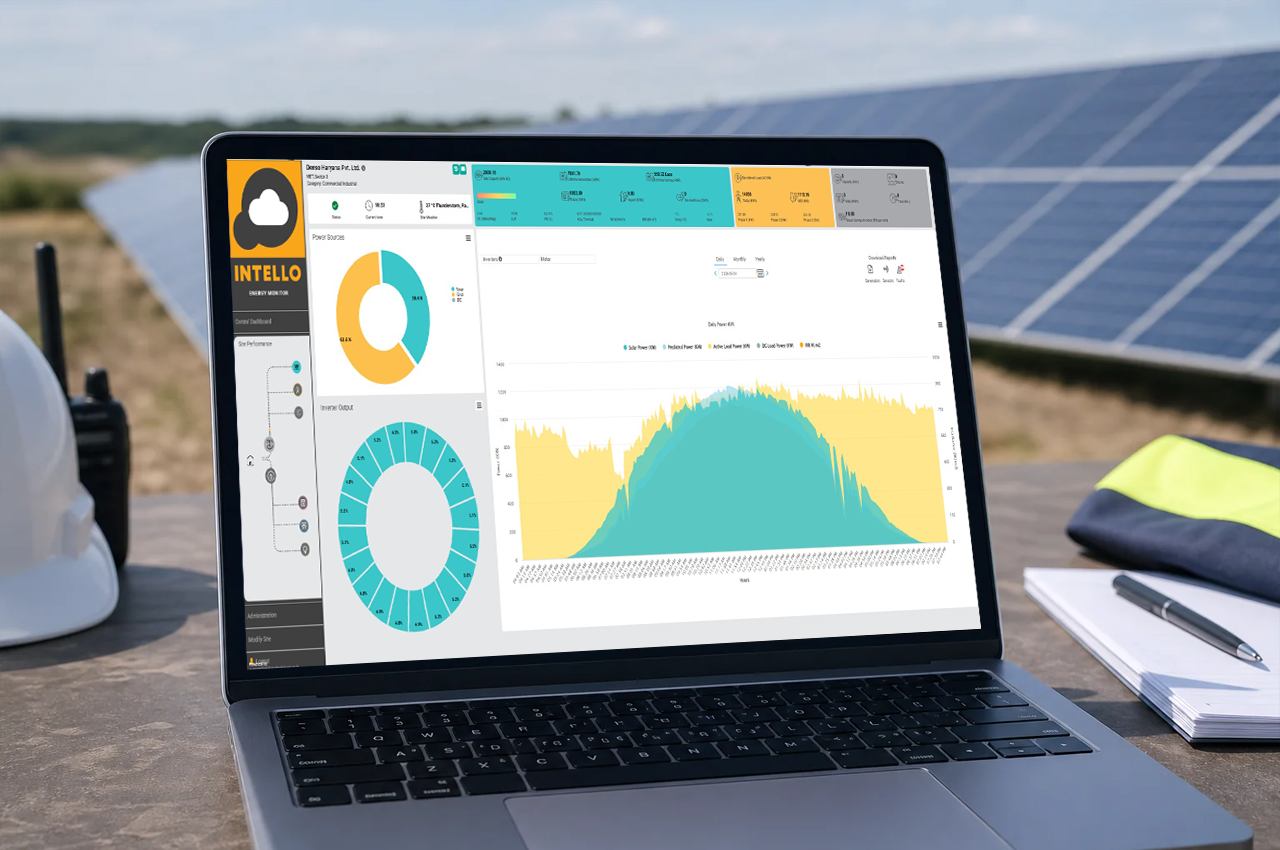
Export data in a format that clearly shows: date-wise generation, expected generation based on irradiance, percentage deviation, and any string- or inverter-level breakdowns. Screenshots are acceptable as supporting evidence, but raw exportable data (CSV or PDF reports from your monitoring platform) carries more weight with manufacturer technical teams. If you’re managing assets across multiple sites, keep this data organized by site and serial number range from day one, since retrieving historical logs after the fact from a fragmented system is slow and often incomplete.
3. Conduct a Site Inspection and Document the Defect
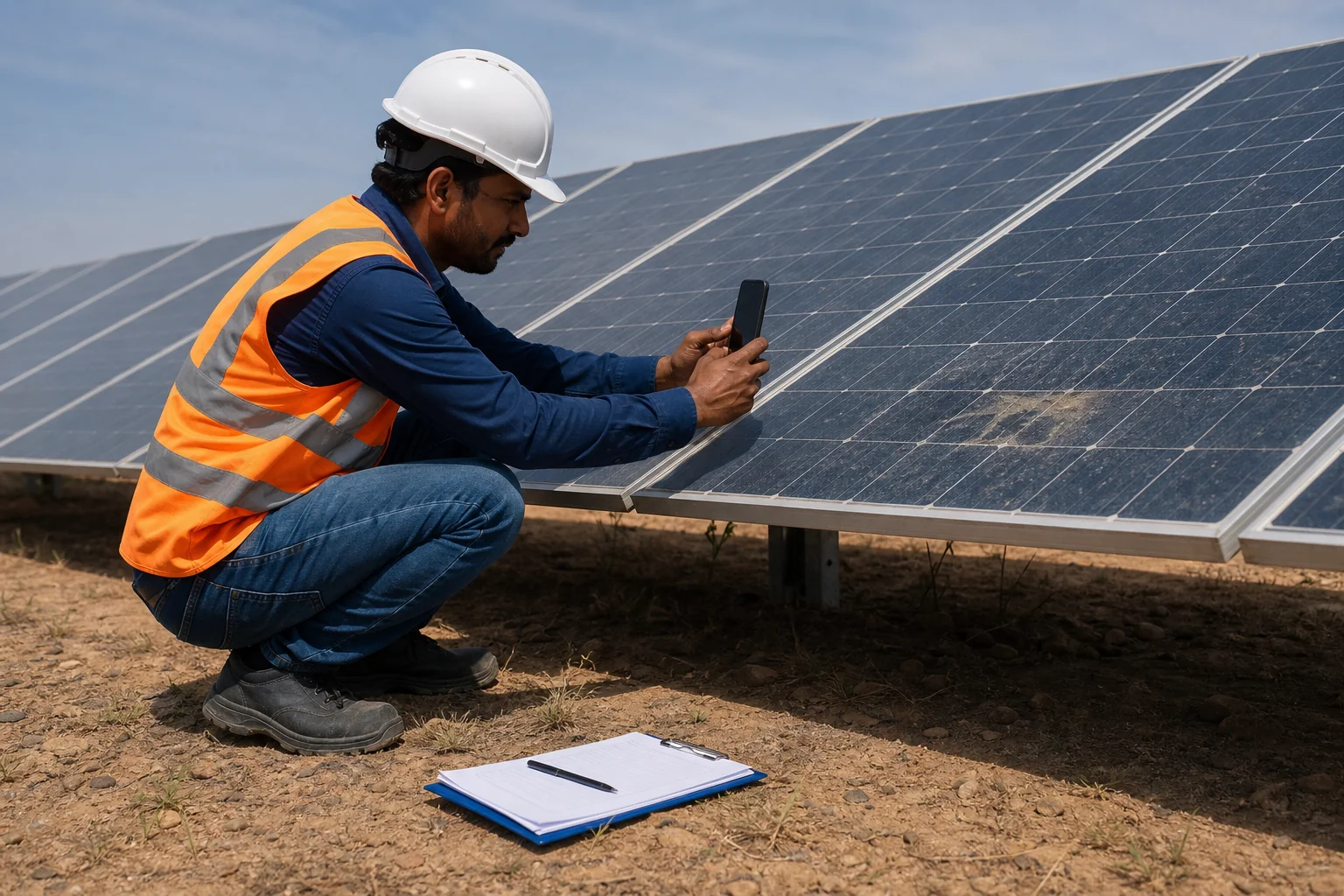
Data alone won’t move a claim forward. Manufacturers require physical proof that ties the performance drop to a specific, identifiable defect. This means a formal site inspection, ideally performed by a trained technician who knows what the OEM’s technical team will actually look for.
A proper inspection typically includes:
- Visual documentation, high-resolution photos of the defect from multiple angles, including a wide shot showing the panel’s position in the array
- Thermal imaging to confirm hot spots and rule out shading-related heating
- IV curve tracing to measure actual electrical performance against the panel’s rated specifications, following test conditions similar to those in IEC 61215 module qualification standards
- Serial number verification, matching the affected panel against the original purchase and installation records
- Environmental context, noting shading, soiling levels, and mounting condition to preempt objections that the issue is maintenance-related rather than manufacturing-related
This is one area where using an untrained maintenance crew instead of a qualified O&M technician tends to backfire. A generic cleaning crew might notice a cracked panel but won’t know to run an IV curve trace or capture thermal images in the format an OEM’s technical reviewer expects. The inspection report itself needs to read like a technical document, not a field note, because it’s often the single piece of evidence that determines whether the claim gets accepted on first submission or bounced back for “insufficient evidence.”
4. Compile the Warranty Claim Documentation Package
Incomplete documentation is the single biggest reason genuine claims get delayed or rejected in India. Manufacturers process thousands of claims and have little patience for follow-up requests when a package is missing basic paperwork. Before submitting, assemble:
- Original purchase invoice or EPC handover document showing purchase date and module count
- Warranty certificate or card issued at the time of installation
- Serial numbers of every affected panel, cross-checked against the site’s as-built documentation
- Installation and commissioning date, to confirm the claim falls within the warranty window
- Site inspection report with photos, thermal images, and IV curve data
- Performance data logs showing the generation trend and deviation from expected output
- Maintenance history, showing the system has been serviced regularly and the defect isn’t a result of neglect
Consolidate everything into a single, clearly labeled file rather than sending separate emails with scattered attachments. Manufacturers’ regional service teams handle high claim volumes, and a package that’s easy to review moves faster through internal approval. If your original EPC handed over incomplete records at commissioning, our checklist on what documentation should be part of your O&M or AMC scope is worth revisiting to close that gap going forward.
5. Submit the Claim and Track the OEM Timeline
Claims typically get submitted through one of three channels: the manufacturer’s dedicated service portal (larger OEMs increasingly have these), the regional service center directly, or through the original EPC company as an intermediary if they still hold the installation relationship. Confirm which route your specific manufacturer prefers, since submitting through the wrong channel adds weeks to the timeline.
Realistic timelines in India generally look like this:
- Acknowledgment: 3 to 10 working days after submission
- Manufacturer inspection deputation: 2 to 6 weeks, depending on the OEM’s regional service presence and how remote the site is
- Technical review and decision: 2 to 8 weeks after the manufacturer’s own inspection
- Resolution (repair, replacement, or credit): additional weeks for logistics, especially if replacement panels need to be sourced from a different production batch
Common bottlenecks include manufacturer service backlogs, disputes over whether the defect is a manufacturing issue versus installation or maintenance-related, and logistical delays sourcing replacement modules that match the original specification. Ground-mounted plants in remote locations often face longer inspection deputation times simply because fewer manufacturer technical staff are based nearby. Set expectations with stakeholders early; a claim that resolves in under two months in India is on the faster end.
6. Follow Up, Escalate, and Close the Claim
Submitting a claim isn’t the end of the work. Manufacturer service queues move slowly without consistent follow-up, and asset owners who check in only once a month often find their claim has stalled somewhere in an internal handoff. A structured follow-up cadence, roughly every 10 to 14 days, keeps the claim visible.
If a claim stalls beyond the manufacturer’s stated timeline, escalate through the proper channel: from the regional service center to the manufacturer’s zonal or corporate quality team. Keep every communication in writing, including a reference or ticket number for the claim, since verbal assurances rarely hold up if a dispute arises later.
Resolution generally takes one of three forms:
- Repair, for issues like connector or junction box faults that can be fixed on-site
- Replacement, for confirmed manufacturing defects like delamination or cell-level faults, where the panel is swapped for an equivalent unit
- Pro-rata credit or compensation, for performance warranty shortfalls where full replacement isn’t practical, calculated against the guaranteed output curve
Once resolved, document the final outcome, including replacement serial numbers if applicable, and update your site’s maintenance and asset records. This closes the loop and gives you a clean reference point if a similar issue arises with the same panel batch in the future.
How a Professional O&M Partner Manages the Entire Claim For You
Every stage above takes technical knowledge and time that most solar asset owners simply don’t have available in-house. This is precisely where outsourcing solar O&M tends to pay for itself, particularly around warranty management. Intello handles the entire process end-to-end: continuous monitoring through our IoT-enabled dashboard flags performance deviations early, our on-ground technicians conduct the site inspection and capture the thermal imaging, IV curve data, and photographic evidence manufacturers require, and our team compiles and submits the documentation package directly to the OEM.
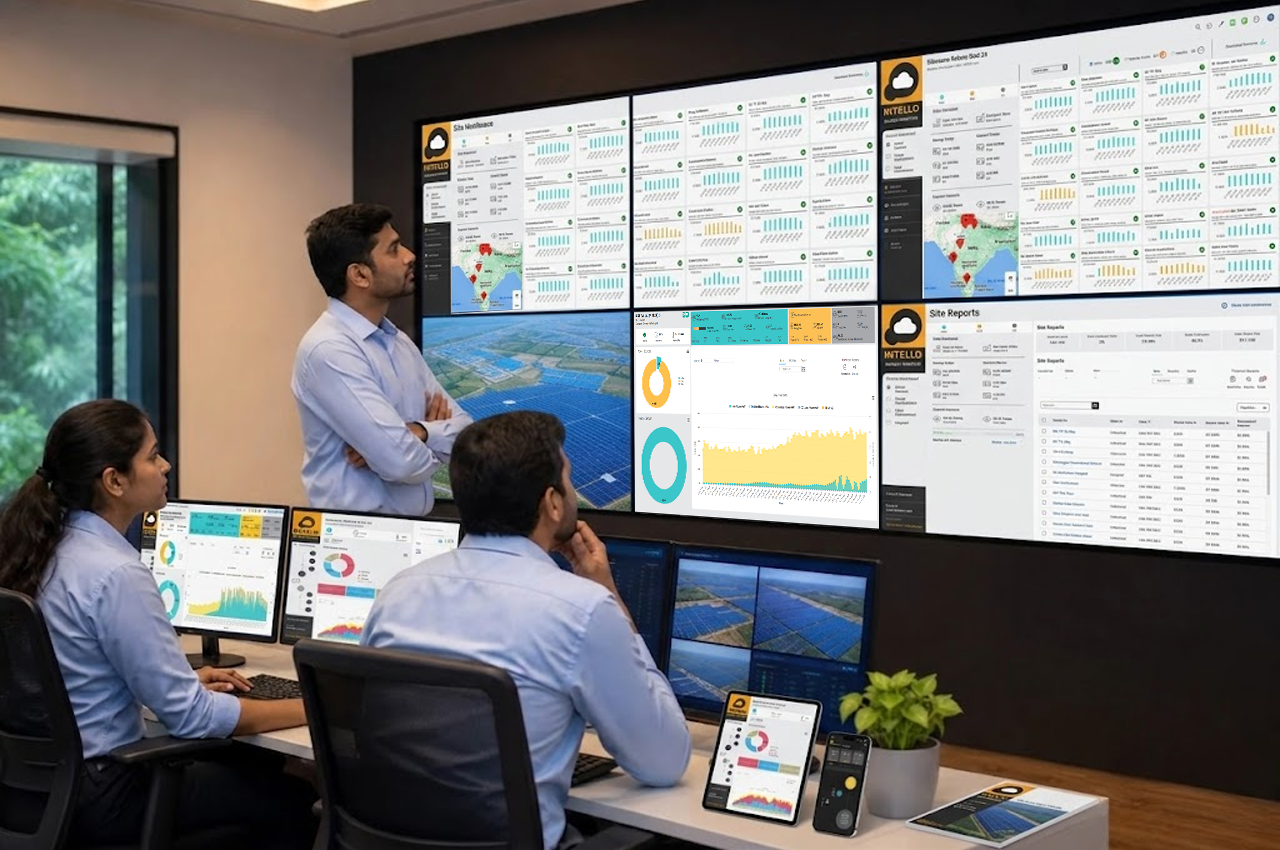
With over 150 solar experts on payroll and years of hands-on experience managing claims across residential, commercial, and ground-mounted installations, Intello’s team knows which documentation each major manufacturer expects and where claims typically get stuck. Our mobile app captures location-tagged, timestamped photographic reports with technician signatures, which gives every inspection a verifiable audit trail rather than a loose folder of phone photos. That level of documentation consistency is often the difference between a claim accepted on first submission and one bounced back for missing evidence.
Because our AMC and O&M contracts already include continuous monitoring and preventive maintenance, we typically catch warranty-eligible defects, like early-stage string faults or degrading panels, well before they cause significant generation loss. That earlier detection means stronger evidence, faster claims, and less revenue lost while the issue sits unresolved. It also means asset owners aren’t stuck chasing manufacturer service centers themselves while running their core business.
If you’d like our team to review your current warranty status and set up proper monitoring before your next claim becomes urgent, you can request a quote or read more about how Intello operates across India.
Frequently Asked Questions
How long does a solar warranty claim take in India?
Most claims take between six weeks and four months from submission to resolution, depending on the manufacturer’s regional service presence, the complexity of the defect, and whether replacement panels need to be sourced. Ground-mounted plants in remote locations often see longer inspection deputation times.
What voids a solar panel warranty in India?
Common causes include physical damage from unauthorized handling, installation by an uncertified third party, use of non-approved cleaning chemicals or methods, lack of documented maintenance, and modifications to the system without manufacturer approval. Always check the specific exclusions listed in your warranty certificate.
Can I file a warranty claim without the original invoice?
It’s significantly harder. Most manufacturers require the original purchase invoice or an EPC handover document to confirm the installation date and warranty validity window. If it’s missing, check with your EPC company or installer, who may hold a copy on file, or check your AMC provider’s onboarding records if the system was registered under a maintenance contract.
Does having an AMC affect my warranty claim eligibility?
Yes, generally in a positive way. An active AMC with documented maintenance visits demonstrates the system has been properly cared for, which strengthens a claim by ruling out neglect as the cause of a defect. Some manufacturers view consistent maintenance records as supporting evidence rather than a requirement, but it rarely hurts a claim and often speeds up manufacturer trust in the reported issue.
What’s the difference between a product warranty and a performance warranty claim?
A product warranty claim addresses physical or manufacturing defects, like cracked glass or junction box failure, and usually results in repair or replacement. A performance warranty claim addresses output falling below the guaranteed generation curve over time and typically requires sustained monitoring data, often resulting in a pro-rata credit if the manufacturer can’t fully restore output through replacement.
Warranty claims shouldn’t be the moment you discover your monitoring and documentation gaps. If your solar asset is underperforming and you suspect a covered defect, the fastest path forward is proper diagnosis, clean data, and a documentation trail built by people who do this daily. Contact Intello to get your site assessed, or log into the Intello monitoring portal if you’re already a customer and want to pull the performance logs your claim needs today.